For new parents, bedtime can sometimes feel like the most unpredictable part of the day. Babies develop their sleep patterns gradually, and creating a calm, familiar environment can help make the transition from daytime activity to nighttime rest feel more peaceful.
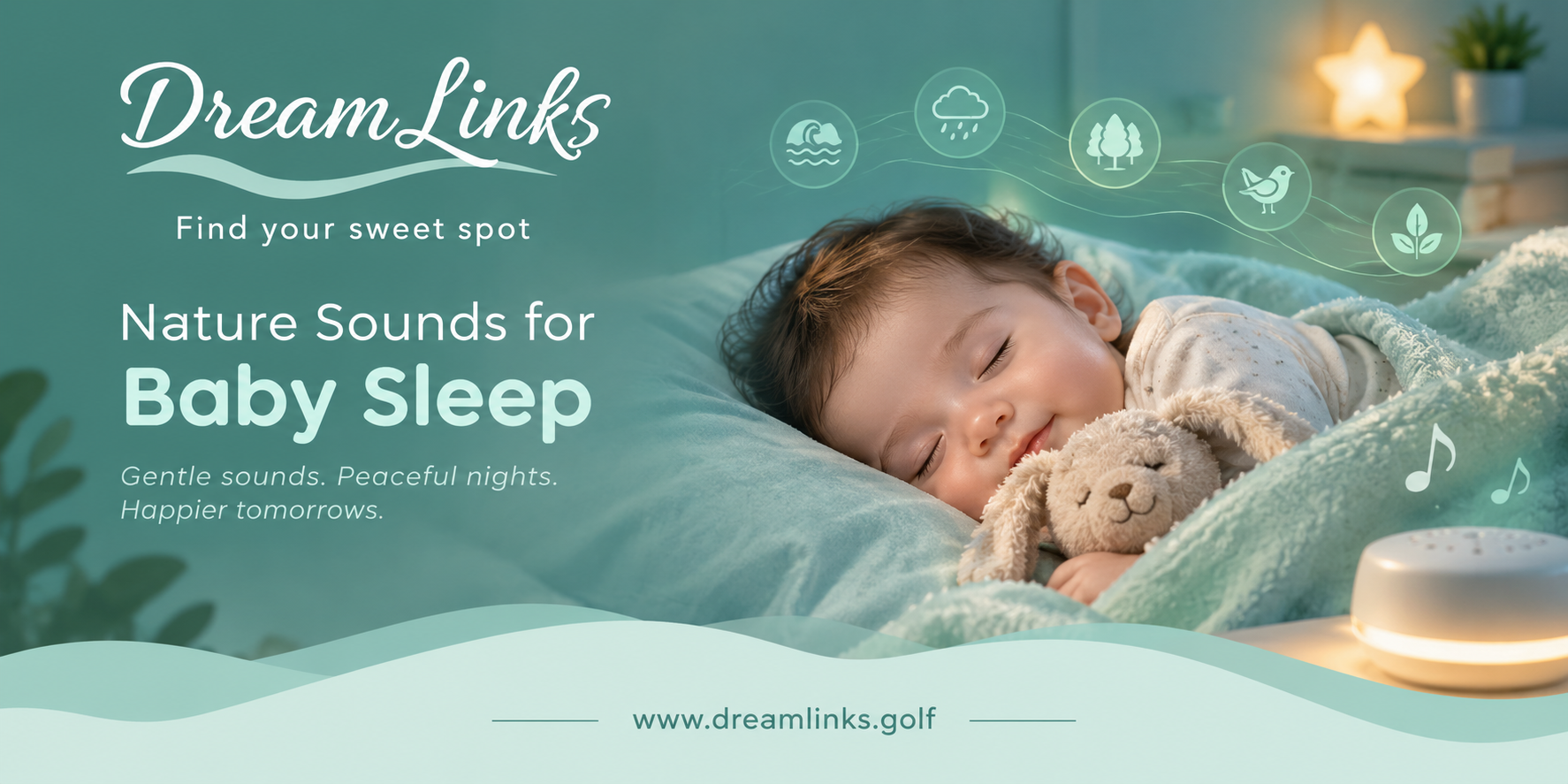
One simple option parents can explore is Nature Sounds for Baby Sleep. Gentle sounds such as rainfall, flowing water, ocean waves, or soft outdoor ambience can become part of a relaxing bedtime routine.
At DreamLinks, the approach is simple: create peaceful listening experiences that allow people to discover their own “sweet spot” for relaxation. When used for babies, however, nature sounds should be viewed as an optional part of a calming routine rather than a treatment for sleep problems.
Why a Calm Bedtime Environment Matters
Babies do not begin life with a predictable adult-style sleep schedule. Their sleep patterns change as they grow, so establishing a bedtime routine often requires patience, consistency, and flexibility.
A simple routine might include feeding, changing, dimming the lights, reading a short book, cuddling, and preparing the baby for sleep. Adding gentle audio can provide a familiar background while the rest of the environment becomes quieter.
For some families, Nature Sounds for Baby Sleep may help create a soothing atmosphere during this transition.
However, every baby is different. A sound that seems calming to one baby may be distracting or uncomfortable for another. The goal is not to find one magical sound, but to create an environment where your baby appears comfortable and settled.
Soothing Newborn Sleep Sounds: What Parents Should Know
Soothing Newborn Sleep Sounds can include gentle, nature-inspired audio such as:
- Soft rainfall
- Gentle ocean waves
- Flowing streams
- Light forest ambience
- Calm outdoor sounds
These sounds should not be viewed as a way to make a newborn fall asleep instantly. Instead, they can be incorporated into a familiar bedtime routine.
For example, a parent might play the same gentle rainfall or flowing-water sound while dimming the lights, reading, or cuddling with the baby. Over time, the sound can simply become another familiar part of the evening environment.
When introducing a new sound, pay attention to your baby’s response. If your baby appears unsettled, overstimulated, or distracted, turn the audio off and allow the room to become quieter.
Creating a Simple Baby Bedtime Routine
A baby’s bedtime routine does not need to be complicated. Consistency is often more useful than creating a long list of activities.
A simple routine could look like this:
- Finish feeding and changing.
- Reduce bright lights and stimulating activities.
- Prepare the baby’s safe sleep space.
- Spend a few quiet minutes reading, cuddling, or talking softly.
- If desired, play gentle nature sounds at a low, comfortable level.
- Put the baby down following established safe-sleep recommendations.
The routine can remain flexible depending on the baby’s age and needs.
The important thing is that Baby Bedtime Sleep Sounds should complement the bedtime routine rather than replace it.
Choosing Gentle Sounds for Baby Sleep
When choosing Gentle Sounds for Baby Sleep, consider how consistent and predictable the audio is.
A soft, continuous sound may be less distracting than audio with sudden changes in volume, sharp noises, or unexpected effects. Parents should also consider how loud the sound is and how long it plays.
The American Academy of Pediatrics has advised parents to be mindful of sound exposure when using infant sleep machines, including the volume and duration of exposure.
This means louder is not necessarily better. The purpose of using nature sounds should be to create a peaceful listening environment, not to fill the room with sound.
Rainfall, gentle waves, or flowing water may provide a softer auditory atmosphere that some families enjoy. If the sound seems too noticeable or disruptive, lowering the volume or turning it off may be the better choice.
How to Use Nature Sounds Safely
Nature sounds should always be secondary to established safe-sleep practices.
The CDC recommends placing babies on their backs for every sleep, using a firm, flat sleep surface, and keeping soft bedding and other soft objects out of the baby’s sleep area. Room-sharing without bed-sharing is also recommended.
If you use a phone, speaker, or another device to play nature sounds, consider these precautions:
- Keep the volume low and comfortable.
- Keep the device away from the baby’s sleep space.
- Never place an electronic device inside a crib or bassinet.
- Do not put headphones or earbuds on a sleeping baby.
- Follow safe-sleep guidance from your pediatrician.
- Stop using the sound if it appears to disturb or overstimulate your baby.
Most importantly, never add pillows, blankets, stuffed animals, or other soft objects to a baby’s sleep space to make it feel more comfortable. Safe sleep should always come first.
Finding the Right Nature Sounds for Your Baby
There is no universal “best” sleep sound for every baby.
One family might enjoy the gentle rhythm of rainfall, while another might prefer flowing water or quiet outdoor ambience. You can introduce one sound at a time and observe how your baby responds.
Rather than searching for a sound that guarantees sleep, think of the process as creating a calmer bedtime environment.
It can also help to keep other parts of the routine consistent. For example, if the lights, bedtime activities, and sleep environment remain similar each evening, you can change only the audio and observe whether your baby appears more comfortable with one type of sound.
Remember that preferences can change as babies grow. A sound that works well at one stage may not be as appealing later.
Nature Sounds Can Help Parents Create a Moment of Calm, Too
Bedtime is not only about the baby. Parents and caregivers also deserve moments of quiet.
After a busy day of feeding, childcare, household responsibilities, and work, a few peaceful minutes can make a meaningful difference to the overall atmosphere at home.
Nature-inspired audio can also be part of a parent’s own relaxation routine. Rainfall, flowing water, ocean waves, and other natural sounds can accompany reading, meditation, quiet reflection, or simply winding down after a long day.
This is where DreamLinks takes a broader approach to relaxation. The goal is to create peaceful listening experiences that fit naturally into everyday life.
Whether you’re exploring Nature Sounds for Baby Sleep or looking for relaxing sounds for your own evening routine, creating a calmer environment can begin with something as simple as slowing down and listening.
When Should You Talk to a Pediatrician?
Nature sounds are not a medical treatment for infant sleep difficulties.
If your baby consistently has difficulty sleeping, experiences unusual breathing during sleep, wakes frequently in a concerning way, has feeding difficulties, or displays other symptoms that worry you, speak with your pediatrician.
A healthcare professional can consider your baby’s age, development, feeding patterns, health, and individual sleep needs before recommending an appropriate approach.
When it comes to infant sleep, professional medical advice should always take priority over any audio product, app, or relaxation technique.
Conclusion:
Creating a peaceful bedtime environment can become a meaningful part of family life. Nature Sounds for Baby Sleep, Soothing Newborn Sleep Sounds, and Baby Bedtime Sleep Sounds may provide gentle background audio that some families find calming.
The key is to keep expectations realistic. Nature sounds cannot guarantee better sleep, and every baby responds differently to sound.
Used thoughtfully, gentle nature-inspired audio can simply be another element of a consistent bedtime routine, alongside appropriate safe-sleep practices.
With DreamLinks, families can explore peaceful, nature-inspired listening experiences such as rainfall, flowing water, and quiet natural ambience.
Sometimes finding your sweet spot does not require anything complicated. It can begin with creating a quieter environment, slowing down, and simply listening.
Frequently Asked Questions
1. What are the best Nature Sounds for Baby Sleep?
There is no single sound that is best for every baby. Gentle rainfall, flowing water, soft waves, and quiet nature ambience are examples parents may explore. Choose sounds that remain calm and avoid sudden or loud changes.
2. Are Soothing Newborn Sleep Sounds safe?
Gentle audio can be incorporated into a baby’s bedtime routine when used thoughtfully. Parents should pay attention to volume, duration, and the location of the sound source. The American Academy of Pediatrics recommends being mindful of sound exposure when using infant sleep machines.
3. Can Baby Bedtime Sleep Sounds make a baby sleep?
There is no guarantee that a particular sound will make a baby sleep. Some babies may find consistent, gentle background audio relaxing, while others may prefer a quiet environment.
4. What are Gentle Sounds for Baby Sleep?
Gentle sounds can include soft rainfall, flowing water, gentle waves, and quiet outdoor ambience. The audio should remain comfortable and non-stimulating rather than loud or abrupt.
5. Where should I place a sound device?
Keep the audio device away from the baby’s sleep area and never place it inside a crib or bassinet. Keep the volume low and follow your pediatrician’s recommendations for your baby’s individual circumstances.
6. What is the safest sleep position for a baby?
The CDC recommends placing babies on their backs for every sleep, including naps and nighttime sleep. Babies should sleep on a firm, flat sleep surface, with soft bedding and other soft objects kept out of the sleep area.
7. Can DreamLinks replace a baby’s bedtime routine?
No. DreamLinks should be considered a source of relaxing audio rather than a replacement for a consistent bedtime routine, safe-sleep practices, or professional medical advice.